
Ojas Red Mesh Animal Feed: A Smarter Approach to Everyday Livestock Nutrition
In this article
Ojas Red Mesh Animal Feed: A Smarter Approach to Everyday Livestock NutritionLivestock care is an essential part of successful farming, and proper nutrition plays a significant role in maintaining animal health, well-being and productivity. For farmers, choosing the right animal feed is not simply a daily task—it is an important decision that influences feeding routines, farm management and the overall care of their animals.
A well-managed livestock feeding programme combines suitable animal feed, quality fodder, clean drinking water, proper storage and regular observation of animals. With a practical approach to animal nutrition, farmers can make their daily feeding routines more organised and efficient.
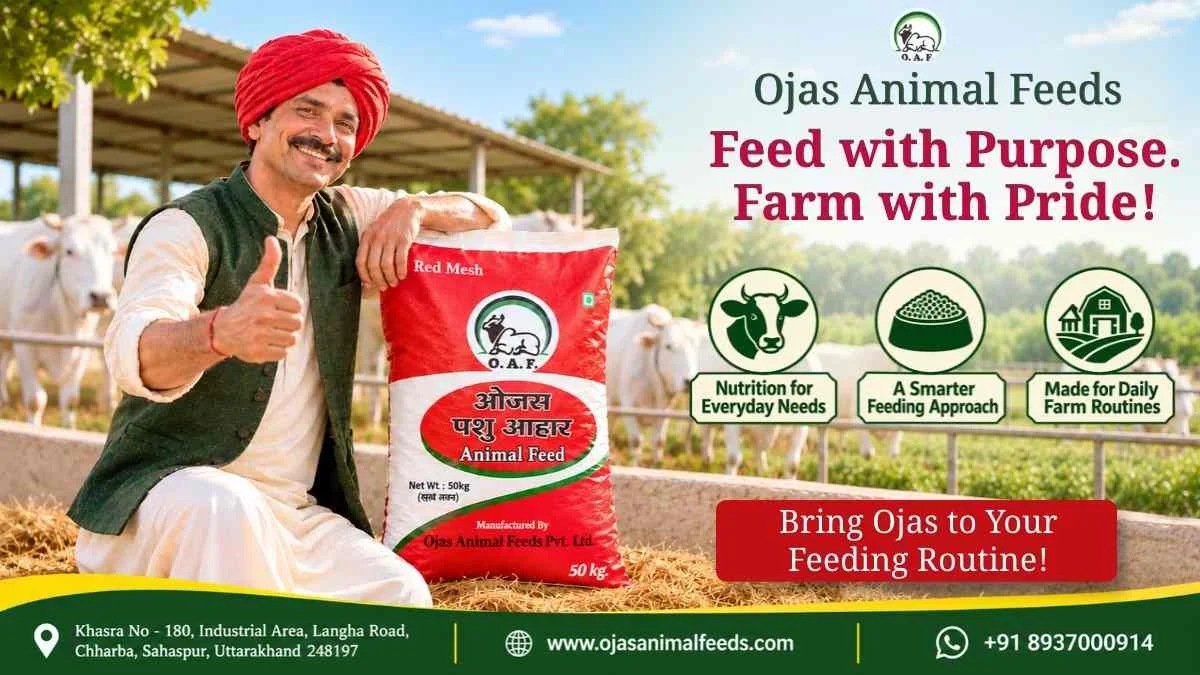
Ojas Animal Feeds brings its Ojas Red Mesh Animal Feed in a distinctive red-and-white 50 kg bag, offering farmers a packaged feed option to explore as part of their livestock feeding programme.
1. Nutrition Begins with the Right Feeding Choices
Every animal requires proper nutrition to support its everyday body functions. However, nutritional requirements vary depending on factors such as species, age, body condition, activity level and production stage.
Farmers should pay attention to the animal feed they select and understand how it fits into their animals' overall diet. A suitable feeding programme should complement the availability of green fodder, dry roughage and other nutritional requirements.
Making informed livestock feed choices helps farmers move towards more responsible and organised animal management.
2. Supporting Everyday Livestock Feeding Routines
Consistency is an important part of successful farm management. Maintaining a regular feeding schedule can help farmers organise their daily activities and observe the feeding behaviour of their animals more effectively.
When feed is provided according to a planned routine, farmers can monitor consumption, identify changes in appetite and maintain better awareness of their animals' needs.
Along with animal feed, farmers should ensure that livestock have access to clean and fresh drinking water throughout the day. Water availability is an essential part of digestion and overall animal care.
A consistent feeding routine, combined with appropriate nutrition and good management practices, can contribute to a more organised farm environment.
3. Feed Management Is More Than Just Feeding
Responsible livestock nutrition involves understanding the complete feeding process. The quantity of feed, its suitability, storage conditions and the way it is introduced into the diet are all important considerations.
Farmers should avoid making sudden changes in an animal's feeding routine. Any new feed should be introduced carefully, following the manufacturer's recommendations or professional guidance.
It is equally important to observe animals regularly. Changes in feed intake, behaviour or body condition should not be ignored. If an animal shows unusual signs or persistent feeding problems, consulting a veterinarian or qualified animal nutritionist is advisable.
Good feed management means paying attention not only to what animals eat but also to how they respond to their diet.
4. Ojas Red Mesh Animal Feed – A Practical Feed Choice
Ojas Red Mesh Animal Feed comes in a recognisable red-and-white packaging design with a 50 kg pack size. Its packaging makes product identification easier during purchase, storage and everyday feed management.
The 50 kg animal feed bag offers a packaged quantity that farmers can consider while managing their feed inventory and planning requirements according to their farm routine.
When selecting Red Mesh Animal Feed, farmers should check the product label, intended animal category, feeding instructions and product specifications to ensure that it is suitable for their livestock.
Choosing animal feed according to specific nutritional requirements is always important. Different animals and different stages of life may require different nutritional approaches, so the right product should be selected with care.
Explore the Ojas Red Mesh Animal Feed product to learn more about the product.
5. Combine Animal Feed with Quality Fodder
Concentrate feed should be considered as part of an overall feeding programme rather than a replacement for every other dietary component.
For ruminant animals, suitable green fodder and dry roughage are important parts of the diet. The feeding programme should be planned according to the animal's nutritional requirements, body condition and production stage.
Farmers can focus on maintaining a suitable balance between animal feed and fodder while following the recommended feeding guidelines.
A well-planned diet, along with regular feeding times and adequate water, helps farmers maintain a more systematic approach to livestock care.
Farmers looking for suitable feeding options can also explore the Ojas Cattle Feed Collection for available product options.
6. Proper Animal Feed Storage Helps Maintain Quality
After selecting the right animal feed, proper storage becomes another important responsibility. Animal feed should be protected from moisture, contamination, insects and rodents.
To maintain a clean and organised storage area, farmers should follow a few simple practices:
Store feed bags in a clean, dry and well-ventilated area.
Keep bags away from rain, damp walls and wet floors.
Protect feed from insects, rodents and other pests.
Avoid storing feed near chemicals or contaminated materials.
Inspect feed before use and follow the manufacturer's storage instructions.
Proper storage also helps farmers manage their stock more efficiently and minimise avoidable feed wastage.
7. Better Feeding Practices for Better Farm Management
Successful livestock management is built on everyday habits. Farmers can improve their feeding routines by keeping a few important practices in mind:
Maintain consistent feeding timings.
Provide feed in the recommended quantities.
Ensure access to clean drinking water.
Keep feeding areas clean.
Observe animal behaviour and feed consumption.
Introduce dietary changes gradually.
Seek expert advice whenever required.
These practices can help farmers become more attentive to their livestock and make informed decisions about everyday animal care.
8. Why Choose Ojas Animal Feeds?
Ojas Animal Feeds focuses on animal nutrition, practical feeding solutions and responsible livestock management. With a range of feed options for different animal categories, Ojas encourages farmers to explore nutrition suited to their animals and farming requirements.
The brand's approach highlights thoughtful nutrition, product selection according to animal needs and farmer support. By making informed feed choices and following good management practices, farmers can take a more responsible approach towards animal care.
Ojas Red Mesh Animal Feed is part of the brand's animal feed range, bringing packaged feed convenience together with the importance of a well-managed daily feeding routine.
Learn more about the brand, its products and its approach to animal nutrition by visiting the official Ojas Animal Feeds website.
Conclusion: Feed with Care. Manage with Confidence.
Better livestock care begins with everyday decisions. Selecting suitable animal feed, maintaining consistent feeding routines, providing quality fodder, ensuring clean water and storing feed properly are all important parts of responsible animal management.
With Ojas Red Mesh Animal Feed, farmers can explore a packaged feed option while keeping their livestock's nutritional requirements at the centre of their feeding decisions.
Because better farming begins with better care—and better care begins every day.
Ojas Animal Feeds – Nourishing Animals. Supporting Farmers. Growing Together.